Penned By Board Member, Alo Pal
By mid-March 2020, the distant buzz of COVID-19 and the detection of the first cases in India had become a calamitous cacophony, and the school where I teach shut pre-emptively in mid-March. I moved to a farm in the village with my children, unsure of what to do about my classes and what would become of my children’s education. Within a week, lockdown was announced. As a teacher, I scrambled to update my phone with apps, establish classroom protocols and feedback loops, and provide my children with devices. The only concern was the unpredictable Wi-Fi network in the village, which was more than adequately compensated for by dependable mobile data.
But the story was drastically different and far more difficult for the vast majority of Indian households, and calamitous for the children of Sharana’s Back to School (BTS) programme. Most of their fathers were unskilled daily-wage earners, while the women worked as domestic helpers. With the lockdown, even as paranoia about the virus peaked, family incomes came to a halt, as did their children’s education. The transition to online classes in government schools was stillborn. The digital divide became a gaping wound.
Anxiety among our women beneficiaries rose sharply. With household incomes dwindling, they were also the ones most invested in securing a future for their children through education. Watching their children while away, their time and the enormity of the catchup required, particularly for the crucial board examinations, intensified their distress.
In order to bridge this divide, and true to its philosophy of responding to the needs of the hour, Sharana established the Digital Lab and the Language Lab in 2022. The latter focuses on developing basic proficiency in English. A detailed three-month course was designed to address the specific needs of the target beneficiaries. The course is recognised by Skill India. Over the past three years, five batches of thirty students each have undertaken the course, attending daily sessions, undergoing periodic assessments, and receiving course completion certificates. Without this provision, most of these beneficiaries would have fallen behind in acquiring useful skills, despite the rapid and phenomenal digital penetration India has witnessed since COVID-19.
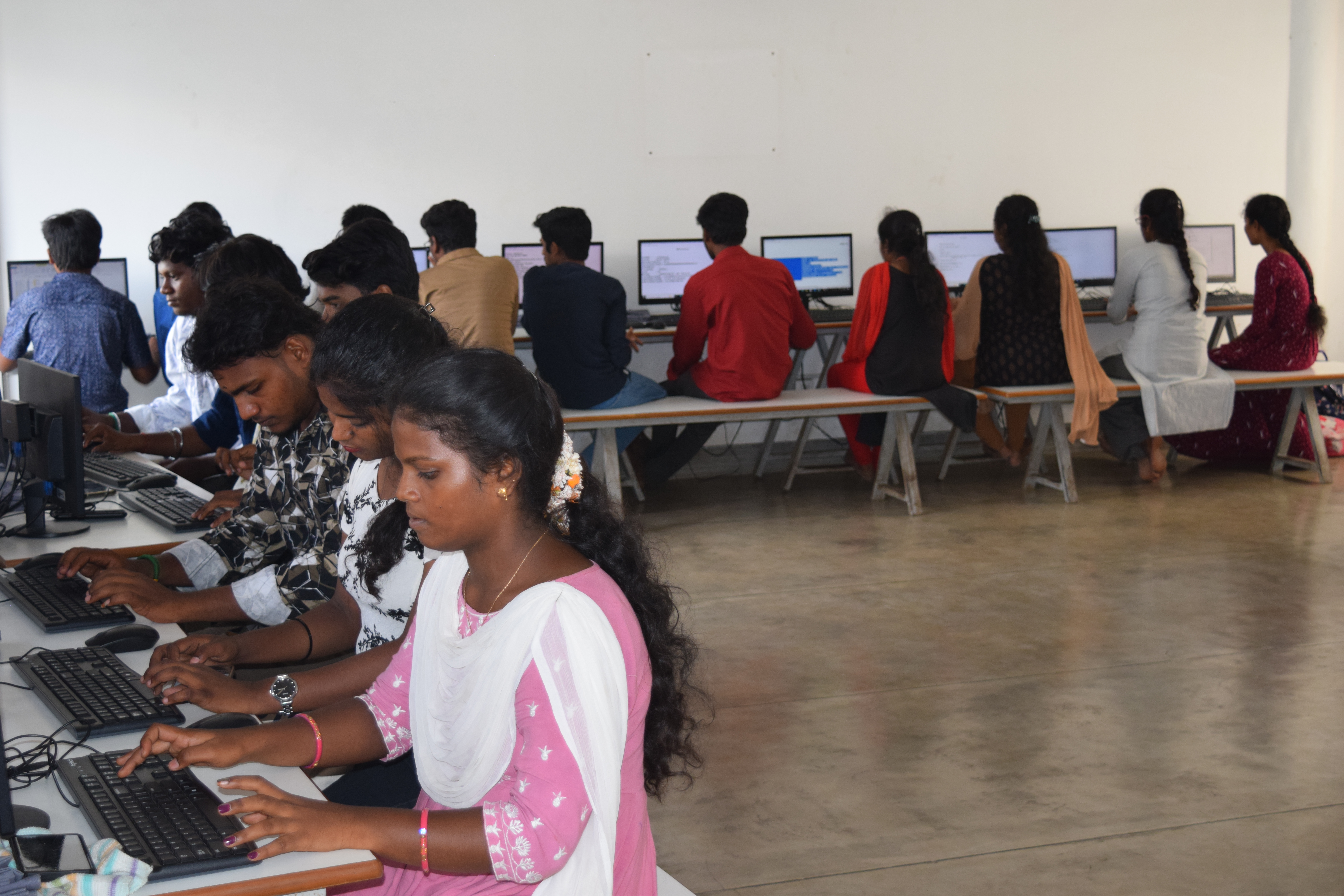 To date, 2,070 number of students have benefited from the course. Beyond the scheduled sessions, the Digital Lab also serves as an internet café, where students can work on project reports, draft assignments, process information, and search for jobs.
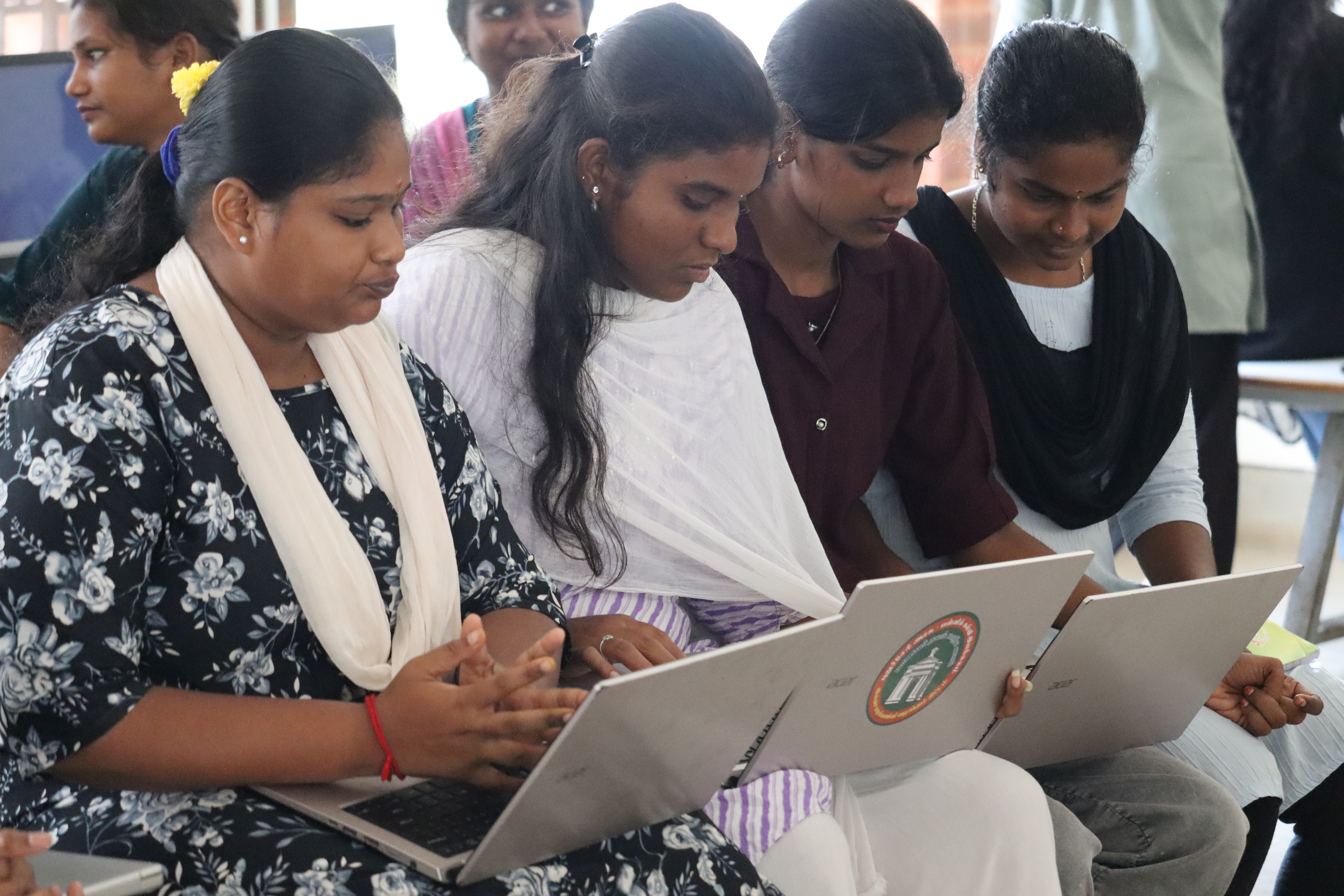
In due course, women beneficiaries, including those running businesses through loans provided by Sharana under its Social Entrepreneurship Programme (SEP), as well as mothers of children in the BTS programme, expressed a desire to enrol. Many of these women had missed out on structured education due to early marriage and motherhood. Sharana subsequently designed a course specifically for them. Participants now use their smartphones for a range of purposes, from setting up Instagram accounts to publicise their businesses to maintaining accounts and tracking stock.
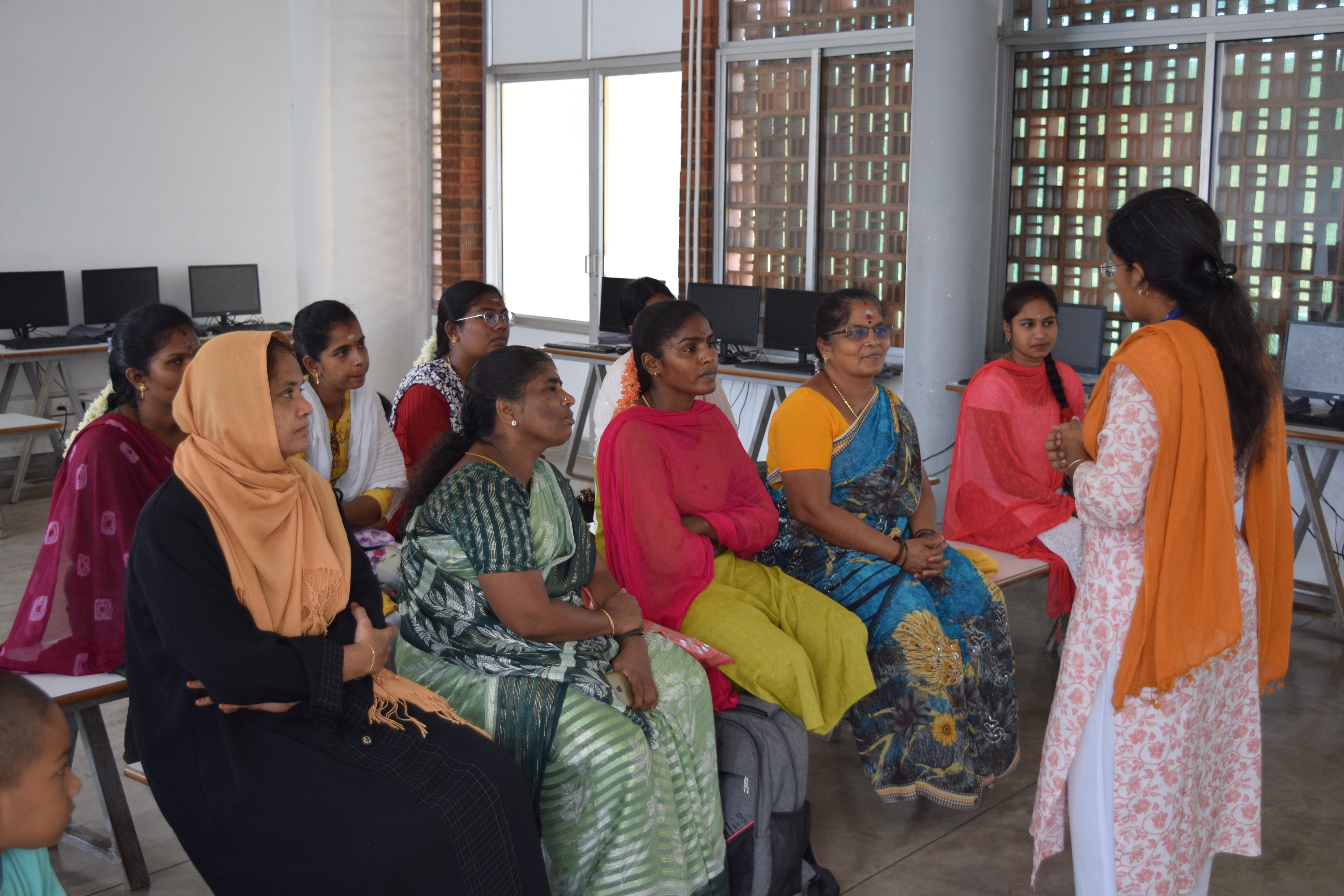 Facilities at the social centre were made available to mothers attending the course with young children. Beyond the practical skills acquired, another, less visible but equally important benefit has been the opportunity for parents to feel more involved and informed as their children enter the ever-expanding digital space.
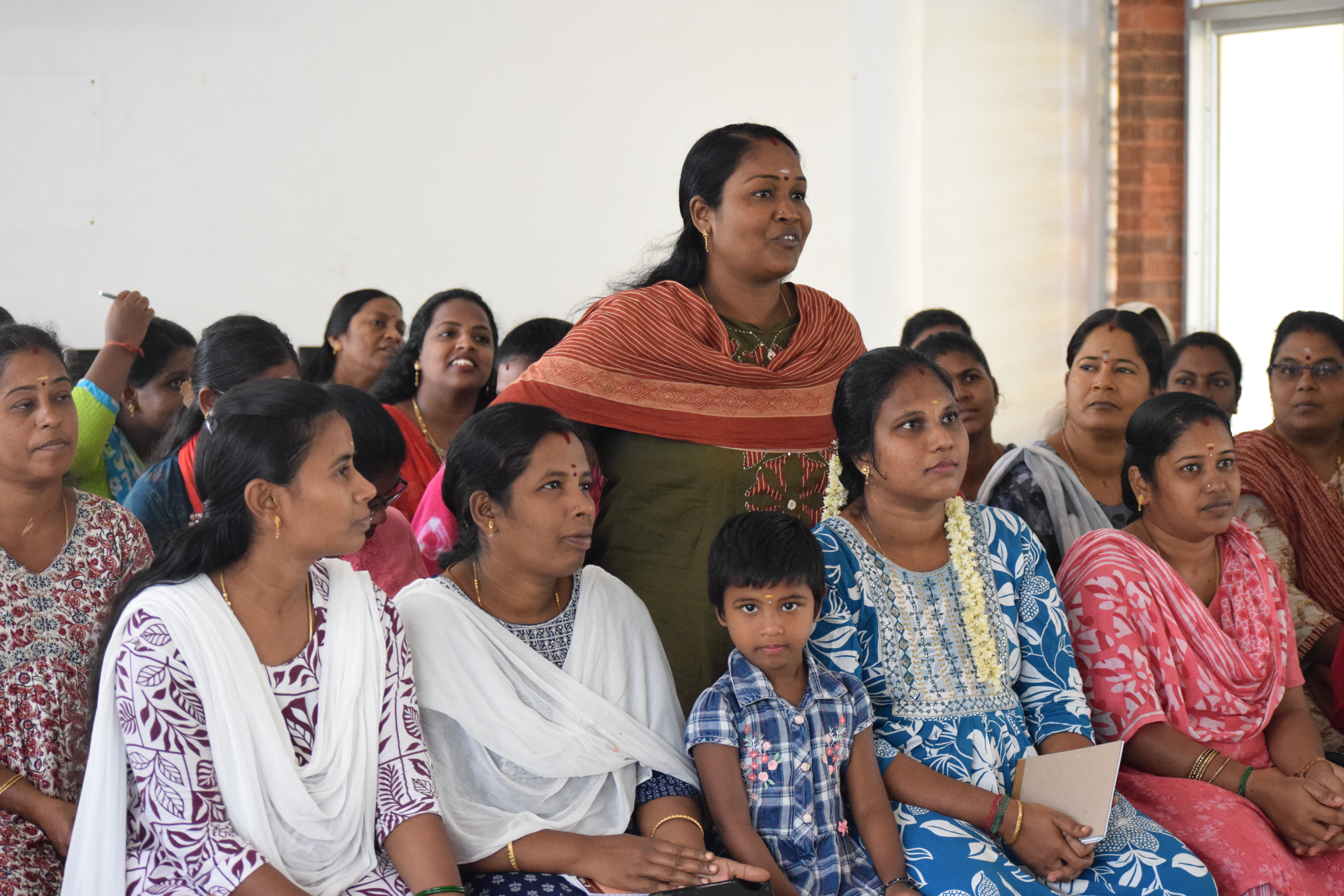 Sharana is now in the process of designing a module to guide parents in regulating their children’s access to the internet. The module will cover the risks associated with the dark web, setting up firewalls and parental controls, and understanding screen-time limits and the need for breaks to encourage healthier internet use.
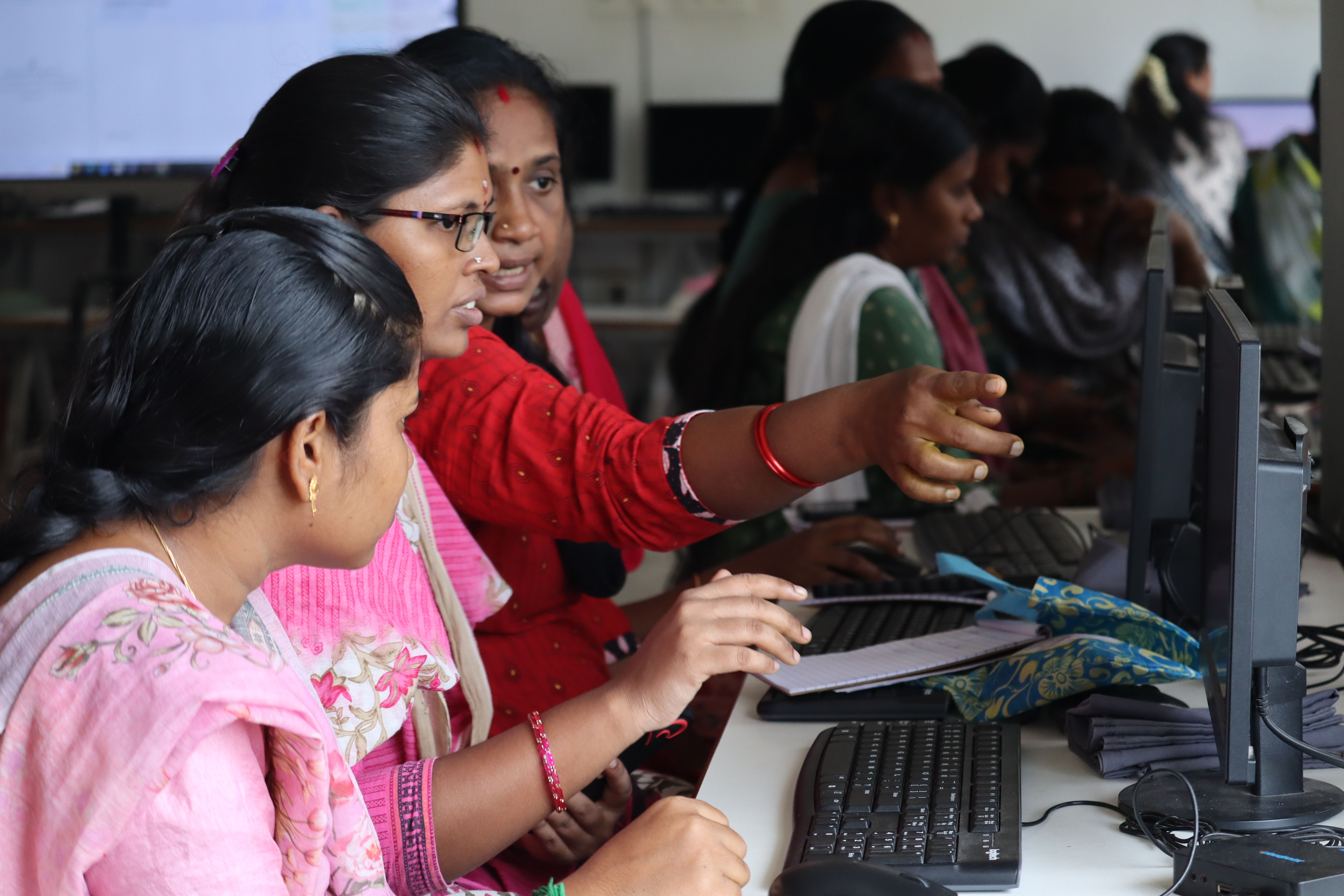 Sharana also ensures that students living far from the Digital Lab can access the course by providing them with bus fare. Outreach and enrolment are facilitated through relevant departments in several colleges across the city, ensuring that opportunities to participate reach students across a wider geographical area.
As the programme enters its fifth year, it is time to adapt and improve in response to changing ground realities. Most children in and around the social centre had acquired foundational digital skills through Sharana’s programme. The course has therefore been adapted to include a more advanced, four-month course. This runs alongside the beginner’s course, which continues to accommodate former students who wish to strengthen their foundations, particularly those who may have been too young or immature to benefit fully from the earlier course.
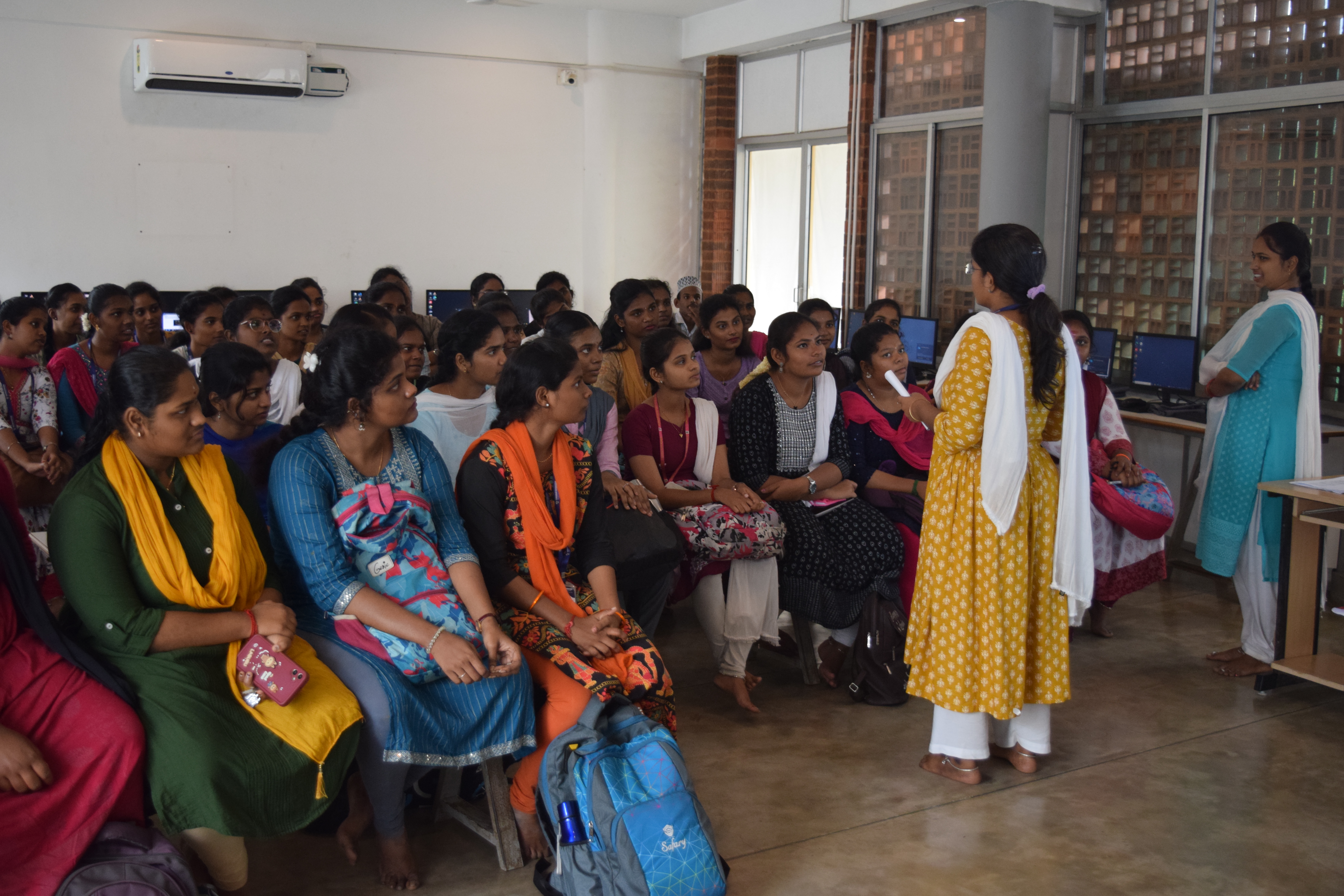 Ananthakumari, who holds a master’s degree in computer applications from Pondicherry University, is an instructor at the Digital Lab and has played a central role in its upgrades and adaptations to meet the evolving needs of her students. A compassionate and competent instructor, Ananthakumari has long dedicated much of her free time to tutoring children in her neighbourhood who could not afford tuition fees, even while she was a student herself.
Born of hardworking parents who struggled to provide for the family but ensured that she could pursue her education as far as she wished, Ananthakumari has found a natural fit between her work at Sharana’s Digital Lab, her desire to support those in need, and her passion for computer applications.
 She recognises the immense potential of smartphones as tools for learning and believes they can play a significant role in facilitating education. She sees the possibilities this technology offers young people, while her upbringing, grounded in cultural values, guides her in mentoring Sharana’s students to use these powerful devices constructively and responsibly.