Penned By Communications Manager, Aditi Mandali
According to the National Family Health Survey (NFHS-5) and the Indian Council of Medical Research (ICMR), one of the most pressing health realities in rural India is deeply concerning: while 1 in 60 women is likely to develop breast cancer in her lifetime, nearly 90% of rural women remain unaware of how to perform self-examinations or recognise early symptoms. As a result, over 60% of breast and cervical cancer cases are detected only at advanced, life-threatening stages, when treatment options are limited, more invasive, and emotionally and financially draining for families.
These realities underline a simple but urgent truth: when awareness and access to care come too late, lives are put at risk. This is why Sharana places strong emphasis on preventive healthcare and works in close collaboration with medical institutions and hospitals, ensuring that accurate information, early detection, and professional care reach communities that often face significant barriers to healthcare access.
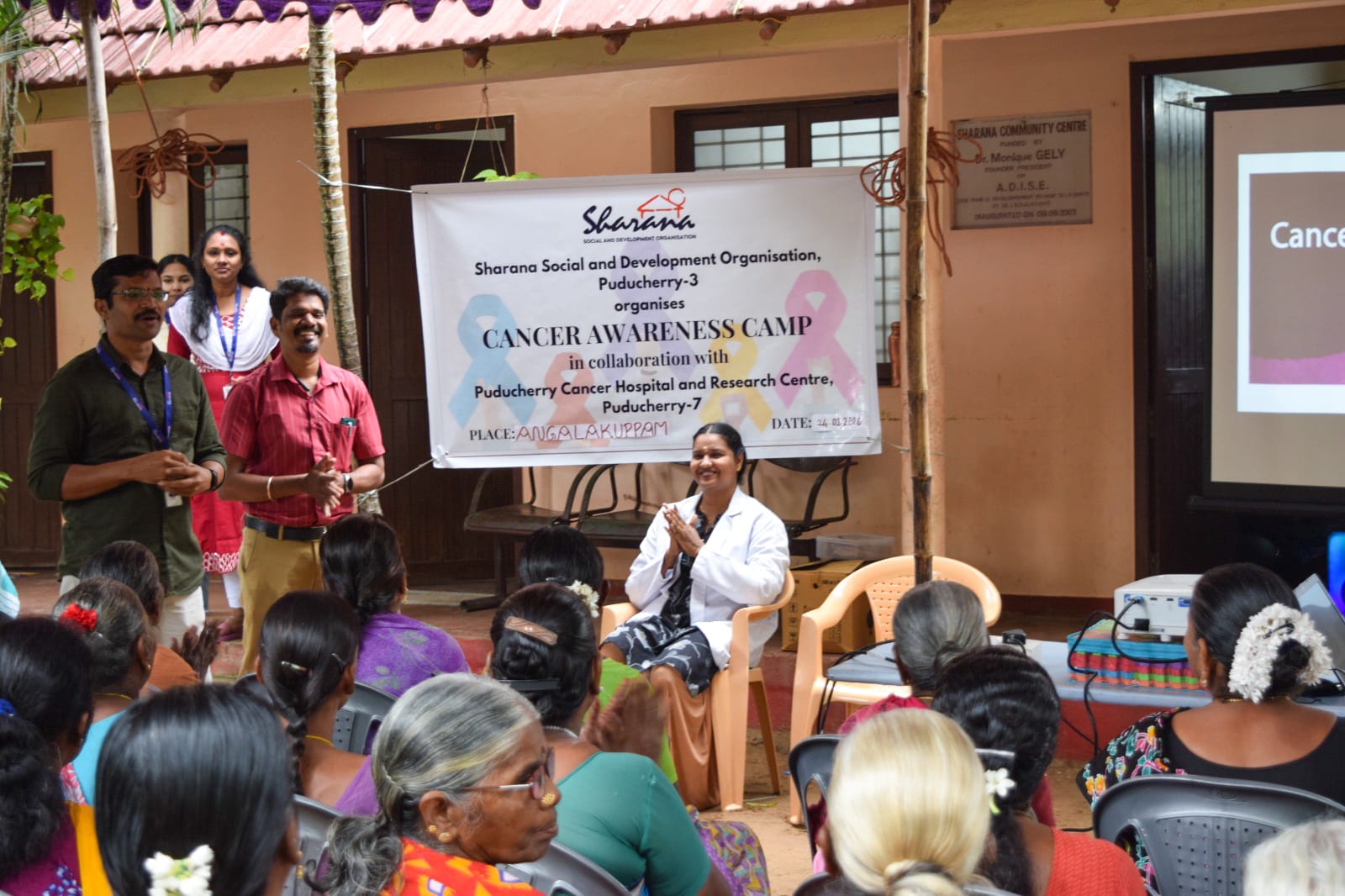
Prevention is especially critical for women-centric cancers such as breast and cervical cancer, where early awareness and regular screening can dramatically improve survival rates. Prevention reduces the need for aggressive treatment, eases emotional and financial strain on families, and enables women to recognise symptoms early and seek care before conditions become critical.
Guided by this approach, Sharana organised a Women-Centric Cancer Awareness and Screening Camp at Angalakuppam, in collaboration with the Puducherry Cancer Hospital and Research Centre. This partnership builds on earlier collaborations and marks the third cancer awareness camp organised jointly, reflecting a shared commitment to strengthening preventive healthcare at the community level. The Puducherry Cancer Hospital and Research Centre is a key referral institution in the region, providing specialised cancer diagnosis, treatment, emergency care, and follow-up services, while also actively engaging in community outreach and awareness programmes aimed at early detection and timely intervention.
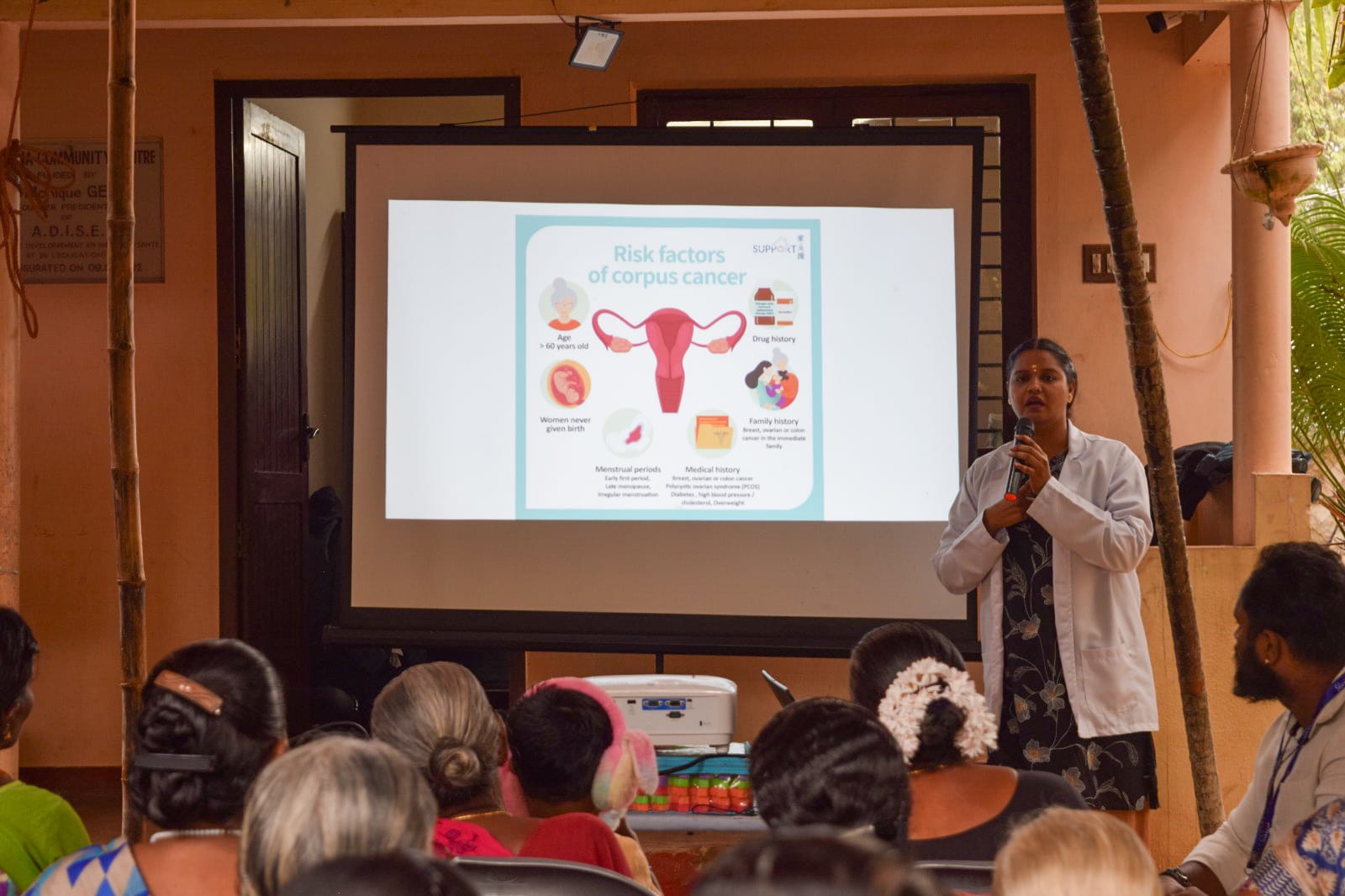
Dr. Sangavi giving the presentation

The awareness session was led by Dr. Sangavi, who presented key information on women-centric cancers in a clear, compassionate, and accessible manner. The session covered common and early symptoms, risk factors, and the importance of timely medical consultation. Particular emphasis was placed on self-detection and self-breast examination, enabling women to take an active role in monitoring their own health. The interactive format encouraged questions and open discussion, helping reduce fear, stigma, and misinformation surrounding cancer. Additionally, Mr. Bala, the organiser, spoke about various government schemes available to support treatment, helping participants understand the financial and practical assistance they can access.
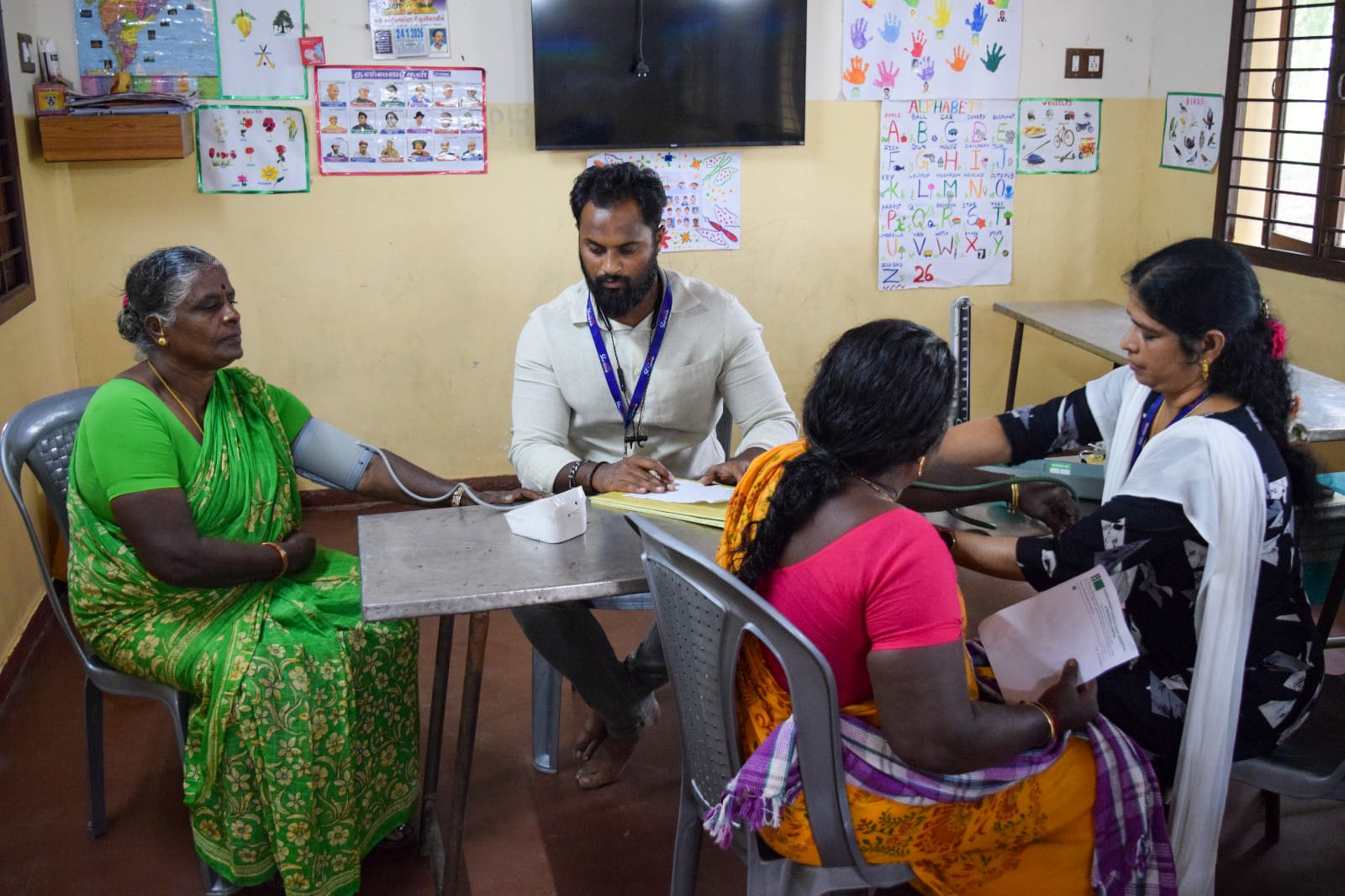
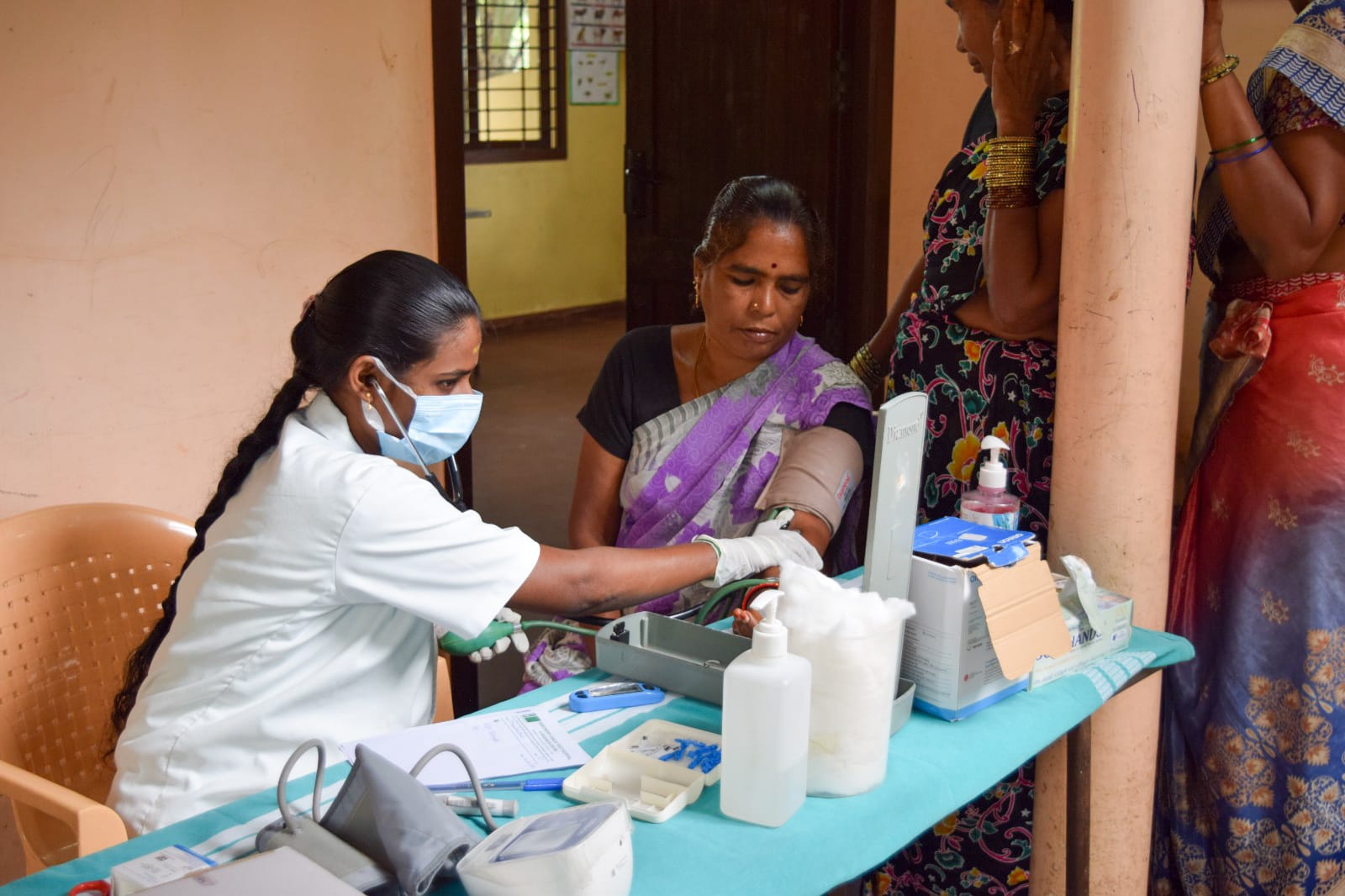
Following the awareness session, a screening round was conducted, translating knowledge into immediate preventive action. Alongside cancer screening, blood pressure and blood sugar tests were also carried out, recognising the importance of a holistic approach to women’s health and wellbeing. By bringing these services directly into the community, the camp helped reduce common barriers such as travel, cost, and hesitation in accessing hospital-based care. Despite persistent rainfall on the day of the camp, which affected turnout, 123 women accessed the camp, even though the team had anticipated reaching close to 200 participants.
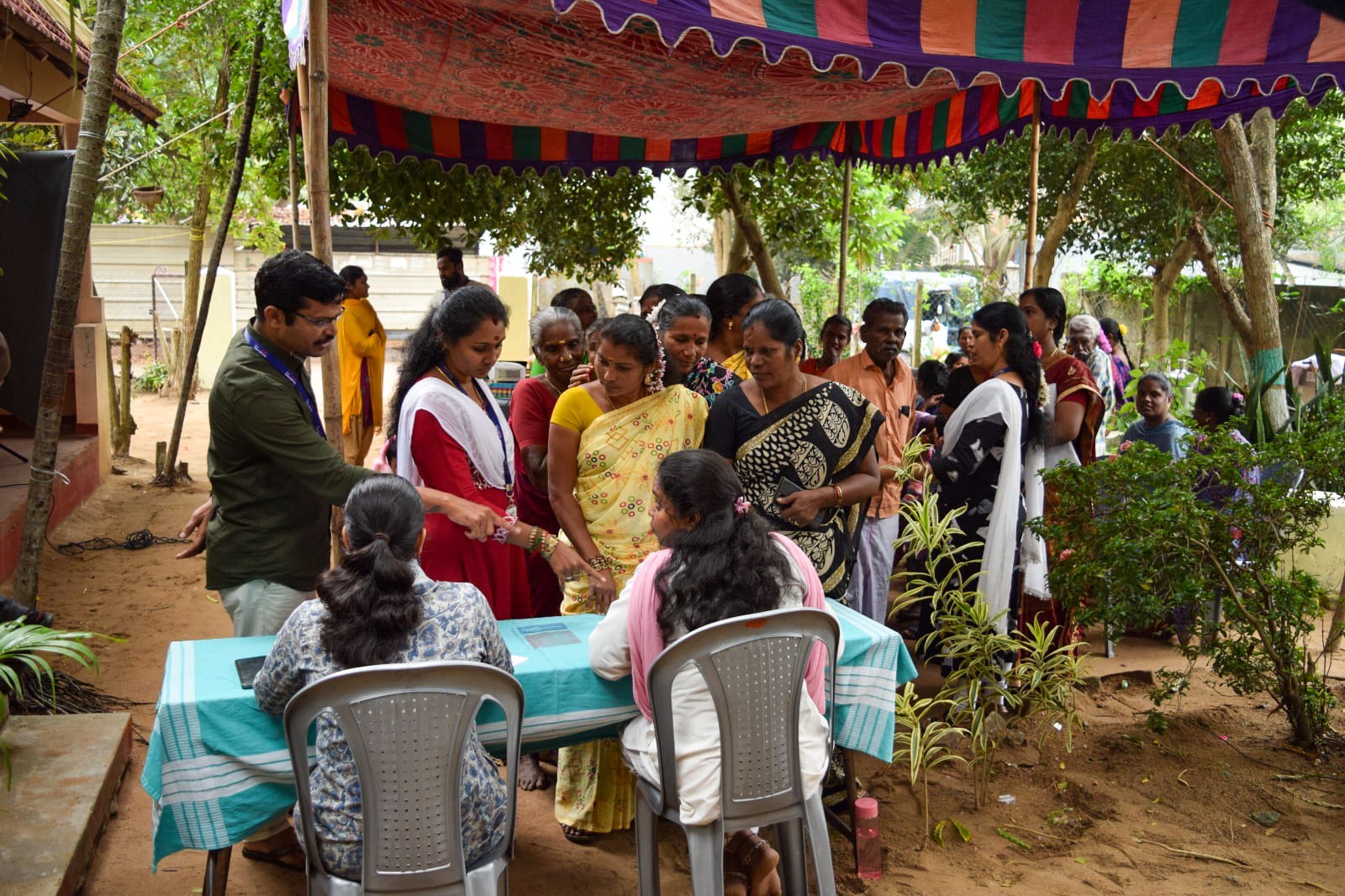
The Angalakuppam camp reflects the importance of integrating preventive healthcare into community-level interventions. When awareness is combined with early screening and supported by medical expertise, communities are better equipped to respond to health risks proactively.